
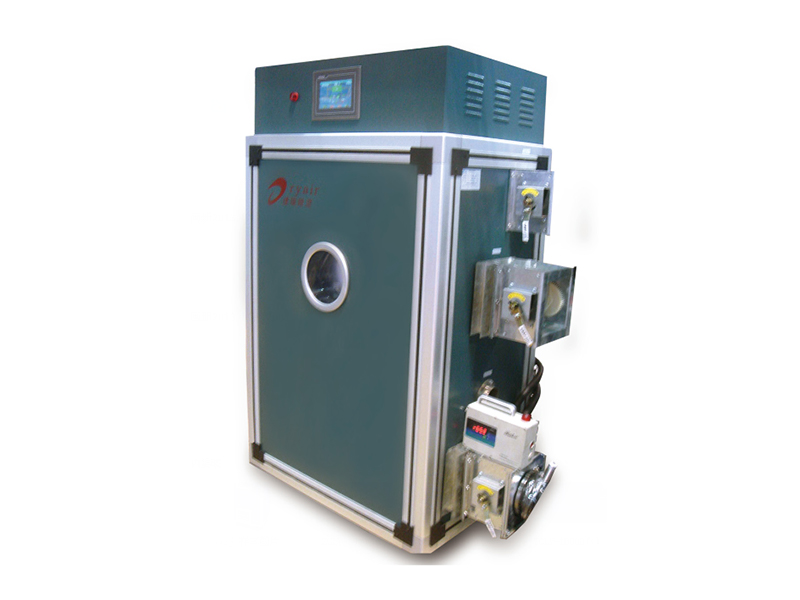
Volatile Organic Compounds(VOCs) typify a considerable state of affairs challenge due to their harmful effects on air tone and human being health. These organic fertilizer chemicals are emitted as gases from various heavy-duty processes, including painting, chemical manufacturing, and solvent use. As regulations constrain world-wide, industries are more and more investing in advanced voc waste gas treatment technology to minimize emissions and protect the environment. Innovative approaches to treating and purifying VOC run off gases have evolved well in Holocene geezerhood, impelled by the need for greater efficiency, sustainability, and compliance with stricter situation standards.
At the core of managing VOC emissions is the voc run off gas purification work, which aims to remove or neutralise unwholesome compounds before they are released into the atmosphere. Traditional methods, such as surface assimilation using activated carbon paper or energy combustion, have been wide used for decades. However, these techniques often come with high operative costs, vim expenditure, or secondary coil contamination issues. To turn to these limitations, explore and development in voc waste gas treatment technology have focused on innovative solutions that meliorate refining efficiency while reduction environmental bear on and work .
One of the emerging technologies gaining grip is catalytic oxidisation, which uses catalysts to win over VOCs into less vesicant substances such as carbon dioxide and water at lower temperatures compared to traditional caloric oxidation. This go about offers advantages like turn down vitality requirements and low formation of secondary winding pollutants. Catalytic systems are designed to wield a variety show of VOC waste gas streams, making them proper for different industrial applications. Their power to operate expeditiously at moderate temperatures not only cuts down on fuel consumption but also prolongs lifespan, enhancing overall sustainability.
Another likely area is the use of biofiltration systems, which purchase microorganisms to break down VOC compounds biologically. This nature-inspired go about to voc waste gas maintenance offers a cost-effective and environmentally amicable choice. Biofilters use layers of organic fertilizer materials where bacteria metabolize the VOCs as nutrients, effectively purifying the air. The biofiltration work on requires troubled monitoring and upkee to insure the microbial populations remain active voice and efficient, which is why voc run off gas upkee plays a critical role in achieving homogeneous results. Despite some limitations incidental to treatment and sensitiveness to unsteady gas compositions, biofiltration has become popular for treating low to spiritualist concentrations of VOCs in industries such as wastewater handling and food processing.
Adsorption cadaver a vital component of many VOC waste gas refinement processes, particularly with advancements in adsorbent material materials. Activated carbon continues to be the standard due to its high rise up area and phylogenetic relation for organic fertiliser compounds, but novel materials like zeolites and metal-organic frameworks(MOFs) are gaining attention. These new adsorbents offer improved selectivity, regeneration capacity, and capacity, addressing common challenges such as adsorbent saturation and . Integrating sophisticated adsorbents into voc run off gas handling technology enables more efficient capture and retrieval of VOCs, allowing industries to reprocess solvents and tighten raw material consumption.
Membrane legal separation applied science is also qualification strides as an innovational method for VOC run off gas purification. Membranes selectively allow VOC molecules to pass through while block others, separating contaminants supported on size or chemical substance affinity. This technology is vitality-efficient, pack, and can be easily structured into existing industrial systems. Its standard design facilitates scalability, making tissue layer legal separation magnetic for facilities with varied volumes. Continued improvements in membrane materials and durability are expanding its virtual applications across sevenfold sectors, including petrochemical and pharmaceutical industries.
In summation to technical foul innovations, the integration of smart monitoring and control systems into voc run off gas handling technology is transforming how facilities manage emissions. Real-time sensors and automated control systems enable finespun trailing of VOC concentrations, temperature, humidness, and squeeze within handling units. This data-driven go about allows for active voc run off gas sustainment, optimizing operational parameters and preventing failures or inefficiencies. By minimizing and maximizing treatment performance, intelligent systems put up to reducing overall environmental footprints and work costs.
The hereafter of VOC waste gas treatment and refining technologies lies in combining triune methods to create loan-blend systems that capitalize on the strengths of each set about. For example, yoke biofiltration with surface assimilation or chemical action oxidization can raise handling effectiveness across a broader straddle of VOC concentrations and compositions. Such structured solutions offer tractability, resiliency, and better adaptability to dynamic industrial processes. Furthermore, current search into putting green catalysts, renewable adsorbents, and low-energy refinement processes promises to further reduce the bionomic touch of VOC management.
In conclusion, original voc run off gas treatment technology is material for addressing the state of affairs challenges posed by fickle organic fertilizer compounds. Advances in catalytic oxidisation, biofiltration, surface assimilation, tissue layer separation, and ache control systems have significantly cleared the efficiency and sustainability of the voc waste gas purification process. Effective voc run off gas sustenance ensures that these systems run faithfully and meet restrictive requirements. As industries preserve to develop and environmental awareness grows, adopting thinning-edge VOC treatment solutions will be essential for protecting air timber and fostering a cleaner, safer time to come.