
Caring for a loved one who is elderly, recovering from an illness, living with a disability, or managing a long-term medical condition can be a challenging responsibility. Family members often become caregivers without having professional medical training. Although their love and dedication make a significant difference, they may struggle with medication schedules, personal care, medical equipment, mobility support, and emotional stress. Learning how to provide appropriate care is essential for maintaining the patient's health and comfort.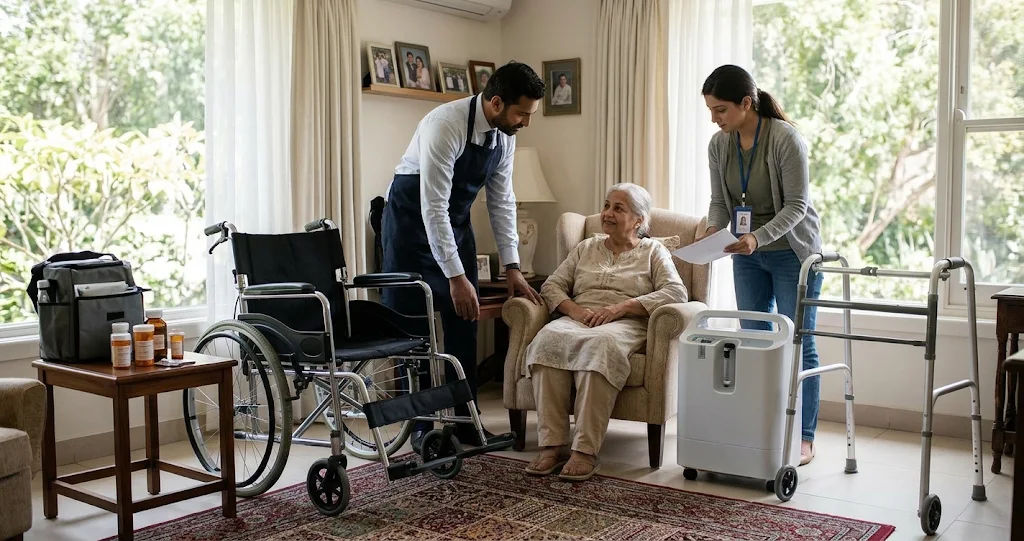
Professional nursing guidance can make this responsibility easier. Nurses can explain medical procedures, demonstrate safe caregiving techniques, and help families understand their loved one's healthcare needs. Home Nursing Services can also provide practical education that allows family caregivers to become more confident and prepared when supporting patients at home.
Family caregivers do not have to manage every responsibility independently. With professional guidance, they can develop useful skills, recognize potential health concerns, and create a safer home environment. Understanding how nursing professionals support family caregivers can help households make informed decisions about long-term care.
The Role of Family Caregivers
Home Nursing Services are individuals who provide regular assistance to relatives or loved ones who cannot manage all their daily activities independently. They may include spouses, adult children, parents, siblings, or other close family members.
Their responsibilities depend on the patient's medical condition, age, and level of independence.
Common Responsibilities of Family Caregivers
Family caregivers often help with everyday activities that patients find difficult to complete without assistance. These responsibilities may include:
-
Helping patients bathe, dress, and maintain personal hygiene.
-
Preparing nutritious meals and supporting healthy eating habits.
-
Reminding patients to take prescribed medications.
-
Assisting with walking, transferring, and other mobility activities.
-
Accompanying patients to medical appointments.
-
Monitoring changes in physical condition.
-
Providing emotional support and companionship.
-
Maintaining a clean and comfortable living environment.
Some patients require only occasional assistance, while others need continuous supervision and more complicated medical support.
Without proper guidance, caregivers may feel uncertain about how to perform certain tasks. Professional nursing education helps them understand their responsibilities and identify situations that require medical attention.
How Home Nursing Services Educate Family Caregivers
One of the most valuable benefits of professional nursing support is caregiver education. Nurses can explain medical instructions in simple language and demonstrate techniques that family members can safely use at home.
Instead of simply completing healthcare tasks, qualified nurses can involve caregivers in appropriate activities and help them develop practical knowledge.
Teaching Basic Patient Care Techniques
Family members may not know how to assist someone who has difficulty moving, eating, bathing, or maintaining personal hygiene.
A nurse can demonstrate safe methods for supporting these activities while protecting the patient's dignity.
For example, caregivers can learn how to help patients change clothes without causing unnecessary discomfort. They can also understand how to maintain skin cleanliness, provide appropriate oral care, and assist with bathing.
These techniques are particularly important for elderly individuals and patients recovering from surgery.
Demonstrating Safe Medication Management
Medication management can become complicated when patients take several prescriptions throughout the day.
Caregivers must understand medication names, prescribed doses, administration times, and important instructions.
Professional nurses can explain how to organize medication schedules and use pill organizers when appropriate. They can also teach family members how to maintain accurate medication records.
Caregivers should never change prescribed doses, discontinue medication, or give additional medicines without consulting an authorized healthcare professional.
This education reduces avoidable mistakes and supports consistent treatment.
Helping Caregivers Understand Medical Conditions
Understanding a patient's medical condition allows family members to provide more appropriate assistance.
Different illnesses create different healthcare requirements. A person recovering from a stroke may need mobility support, while someone with diabetes may require regular blood glucose monitoring.
Understanding Chronic Health Conditions
Chronic conditions often require continuous attention and lifestyle adjustments.
Nurses can explain the basic characteristics of conditions such as diabetes, hypertension, arthritis, and respiratory diseases.
They can help caregivers understand:
-
Common symptoms associated with the condition.
-
Recommended monitoring routines.
-
Lifestyle instructions provided by healthcare professionals.
-
Medication-related precautions.
-
Warning signs that require medical evaluation.
-
The importance of regular follow-up appointments.
This information helps families understand what to expect and how to support patients throughout their treatment.
Recognizing Changes in Patient Health
Caregivers are often the first people to notice changes in a patient's behavior or physical condition.
However, they may not recognize which changes are important.
Professional nurses can explain warning signs such as unusual confusion, persistent fever, breathing difficulties, sudden weakness, swelling, or changes in consciousness.
They can also explain when to contact the patient's doctor and when emergency medical assistance is necessary.
Recognizing serious symptoms early can prevent unnecessary delays in treatment.
Teaching Safe Mobility and Fall Prevention
Mobility assistance is an important part of family caregiving, particularly when supporting older adults or individuals recovering from injuries.
Incorrect lifting techniques can cause injuries to both patients and caregivers.
Demonstrating Safe Moving Techniques
Nurses can teach family members how to assist patients when moving between beds, chairs, and wheelchairs.
They may demonstrate how to position the patient's body, maintain balance, and use appropriate mobility equipment.
Caregivers can also learn when a patient requires additional assistance instead of attempting to move them independently.
These techniques help reduce the risk of falls, muscle injuries, and unnecessary discomfort.
Creating a Safer Home Environment
A patient's surroundings can significantly affect their safety.
Nurses can assess the home environment and recommend practical improvements based on the patient's mobility and medical needs.
Useful recommendations may include:
-
Removing loose rugs and unnecessary obstacles.
-
Keeping frequently used belongings within reach.
-
Installing appropriate bathroom grab bars.
-
Improving lighting in hallways and bedrooms.
-
Using non-slip mats in suitable areas.
-
Maintaining clear walking paths.
-
Positioning mobility equipment safely.
These changes can help patients move more confidently while reducing the risk of accidents.
Supporting Wound Care and Infection Prevention
Patients recovering from surgery, injuries, or chronic wounds may require regular dressing changes and careful hygiene.
Family members may feel uncomfortable handling wounds because they are unfamiliar with medical procedures.
Teaching Basic Wound Care Principles
Qualified nurses can explain wound care instructions and demonstrate appropriate techniques when permitted by the patient's treatment plan.
Caregivers may learn how to keep the surrounding area clean, recognize unusual drainage, and identify changes in redness, swelling, or discomfort.
They can also understand why dressing materials should be handled carefully and why wound care instructions must be followed consistently.
Complex wound management should remain under appropriate professional supervision.
Explaining Infection Prevention
Preventing infection is essential for protecting patients, especially those with weakened immune systems or surgical wounds.
Nurses can demonstrate proper handwashing and explain when gloves and other protective equipment are necessary.
Caregivers can also learn how to clean frequently touched surfaces, handle contaminated materials safely, and avoid cross-contamination.
These simple habits support a cleaner and healthier environment.
Helping Families Monitor Patient Health
Regular health monitoring helps caregivers understand whether a patient's condition is improving, remaining stable, or becoming worse.
Nurses can teach family members how to observe and record important health information.
Monitoring Basic Vital Signs
Depending on the patient's care plan, caregivers may receive guidance on measuring:
-
Blood pressure.
-
Body temperature.
-
Heart rate.
-
Respiratory rate.
-
Blood oxygen saturation.
-
Blood glucose levels when prescribed.
Professional nurses can demonstrate how to use appropriate monitoring devices and explain common measurement errors.
They can also teach caregivers how to maintain records that healthcare professionals can review during follow-up appointments.
However, home measurements should not replace professional medical assessments.
Maintaining Accurate Health Records
Keeping organized health records makes communication between family caregivers and medical professionals easier.
Caregivers can maintain a notebook or digital record containing medication schedules, symptoms, vital signs, appointments, and questions for healthcare providers.
Recording unusual changes can help doctors understand the patient's condition more accurately.
It also reduces the chances of forgetting important information during medical consultations.
Providing Guidance for Elderly Patient Care
Older adults may experience physical limitations, memory problems, reduced mobility, and difficulties completing everyday activities.
Their healthcare requirements can change gradually, making continuous caregiver education particularly valuable.
Supporting Daily Living Activities
Nurses can teach family members how to assist elderly patients with dressing, bathing, eating, and moving around the home.
They can also explain how to encourage independence whenever possible.
For example, instead of completing every task for an older adult, caregivers can allow the individual to perform activities they can manage safely.
This approach helps preserve confidence and independence.
Supporting Patients With Memory Difficulties
Some elderly patients experience memory loss or confusion.
Caregivers may find it difficult to communicate with individuals who struggle to remember familiar people, instructions, or daily routines.
Nurses can recommend simple communication strategies, including:
-
Speaking slowly and clearly.
-
Using short and understandable instructions.
-
Maintaining familiar daily routines.
-
Keeping important belongings in consistent locations.
-
Providing reassurance during confusing situations.
-
Avoiding unnecessary arguments or confrontations.
These techniques can make everyday interactions more comfortable for patients and family members.
Supporting Stroke Recovery at Home
Stroke recovery often involves physical rehabilitation, communication support, and assistance with everyday activities.
Family caregivers play an important role because recovery may continue long after the patient leaves the hospital.
Understanding Rehabilitation Instructions
Nurses can help caregivers understand the patient's rehabilitation plan and explain how to support recommended activities.
They may coordinate with physiotherapists and other healthcare professionals to ensure that family members understand safe movement techniques and prescribed exercises.
Caregivers should follow professional instructions rather than attempting unfamiliar rehabilitation exercises independently.
Managing Everyday Challenges
Stroke survivors may experience weakness, difficulty swallowing, speech problems, or changes in balance.
Nurses can explain appropriate precautions and help families understand which activities require additional assistance.
They can also identify situations where the patient's healthcare team should be contacted.
Consistent support can help create a more organized and encouraging recovery environment.
Providing Emotional Support and Communication Guidance
Caregiving involves more than physical assistance. Patients often experience anxiety, frustration, loneliness, or emotional distress because of their health conditions.
Family members may also feel overwhelmed by their responsibilities.
Understanding Patient Emotions
Nurses can help caregivers understand why patients sometimes become withdrawn, impatient, or discouraged.
Illness can affect confidence, independence, and relationships.
Caregivers can learn to listen patiently, acknowledge emotions, and communicate without making patients feel helpless.
Small gestures, such as maintaining conversations and encouraging participation in familiar activities, can improve emotional well-being.
Encouraging Positive Family Communication
Healthcare responsibilities can create misunderstandings among family members.
One person may handle medication management, while another manages appointments or household activities.
Nurses can encourage families to discuss responsibilities clearly and share important health information.
When everyone understands their role, caregiving becomes more organized and less stressful.
Reducing Caregiver Stress and Preventing Burnout
Family caregivers sometimes spend so much time looking after patients that they neglect their own health.
Continuous responsibilities can contribute to tiredness, anxiety, sleep difficulties, and emotional exhaustion.
Professional nursing guidance can help families develop healthier caregiving routines.
Recognizing Signs of Caregiver Burnout
Caregivers should pay attention to changes in their own physical and emotional well-being.
Common warning signs include:
-
Persistent tiredness.
-
Difficulty sleeping.
-
Increased irritability.
-
Feeling overwhelmed.
-
Losing interest in personal activities.
-
Difficulty concentrating.
-
Social isolation.
Recognizing these signs is important because caregiver health directly affects the quality of support provided to patients.
Learning to Share Responsibilities
Nurses can encourage families to divide tasks according to individual availability and abilities.
One family member may manage appointments, another may prepare meals, and someone else may provide companionship.
Caregivers should also consider respite care when available.
Taking regular breaks is not a sign of neglect. It helps family members maintain their energy and continue providing consistent assistance.
How Home Nursing Services Create Individual Caregiving Plans
Every patient has different medical requirements, personal preferences, and levels of independence.
A general caregiving approach may not address every household's needs.
Professional nurses can help families develop practical care plans based on the patient's condition and healthcare instructions.
Assessing Patient Requirements
The process usually begins with an assessment of the patient's health, mobility, personal care needs, medication routine, and home environment.
Nurses may also discuss the family's caregiving experience and identify areas where additional training is necessary.
This assessment helps establish realistic care priorities.
Setting Daily Care Goals
A structured caregiving plan can include daily activities, monitoring responsibilities, medication reminders, hygiene routines, and follow-up appointments.
Goals should be practical and suitable for the patient's medical condition.
For example, a patient recovering from surgery may need support with mobility and wound observation, while an elderly individual may require assistance with personal hygiene and medication organization.
The plan should be reviewed whenever the patient's condition or care requirements change.
Choosing the Right Professional Nursing Support
Families should carefully evaluate nursing providers before arranging professional assistance.
The quality of caregiver education depends on the nurse's qualifications, communication skills, and experience.
Check Professional Qualifications
Always verify that nursing professionals have appropriate qualifications, training, and licensing or registration where required.
Experience with the patient's particular medical condition is also valuable.
For example, families caring for individuals with neurological conditions may benefit from nurses experienced in rehabilitation support.
Evaluate Communication and Teaching Skills
A good nurse should be able to explain medical information clearly and demonstrate practical techniques.
Caregivers should feel comfortable asking questions and requesting clarification.
The nurse should also respect the patient's preferences, family responsibilities, privacy, and cultural practices.
Discuss Training and Follow-Up
Before arranging care, families should ask whether caregiver education is included in the service.
They should understand which procedures can be demonstrated, how often training is available, and whether follow-up guidance can be arranged.
It is also important to clarify which medical responsibilities must remain with licensed healthcare professionals.
Practical Tips for Family Caregivers Working With Nurses
Professional guidance becomes more effective when family members actively participate in the learning process.
Caregivers can prepare for nursing visits by maintaining a list of questions and documenting any changes in the patient's condition.
They should observe demonstrations carefully and request supervised practice when appropriate.
It is also useful to keep written instructions in an accessible location.
Families should avoid relying entirely on memory when managing complicated healthcare routines.
Most importantly, caregivers should communicate openly whenever they feel uncertain about a procedure or notice an unexpected symptom.
A cooperative relationship between nurses and family members creates a more reliable caregiving environment.
Conclusion
Family caregiving is a meaningful responsibility, but it can also involve physical, emotional, and practical challenges. Relatives who support elderly individuals, patients recovering from surgery, or people living with chronic illnesses may need professional guidance to provide safe and consistent care.
Home Nursing Services can help family caregivers develop the knowledge and practical skills required to support their loved ones at home. Through demonstrations, health education, medication guidance, mobility training, infection prevention, and patient monitoring, nurses can make everyday caregiving responsibilities easier to understand.
Professional nursing guidance also helps families recognize warning signs, communicate more effectively with healthcare providers, and create organized care routines. These benefits can improve patient safety while reducing uncertainty among family members.
Another important advantage is the support provided for caregiver well-being. Learning how to share responsibilities, recognize emotional exhaustion, and arrange appropriate breaks can help families maintain a healthier balance.
However, family caregivers should remember that professional guidance does not replace qualified medical treatment. Complex procedures, medical decisions, and changes to prescribed treatment must remain under the direction of appropriate healthcare professionals.
Ultimately, successful home caregiving depends on cooperation, education, patience, and consistent communication. When families receive the right professional support, they become better prepared to handle daily responsibilities and respond to changing patient needs. With proper guidance, caregivers can provide more confident, compassionate, and dependable support while helping their loved ones maintain comfort, dignity, and quality of life.