
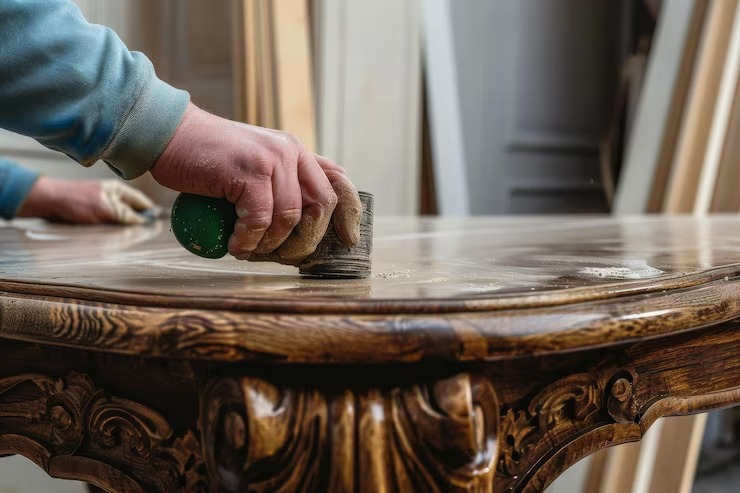
When I run my hand along the worn edge of an antique table or open a century-old cabinet drawer, I don’t just see wood and joints—I feel stories. I’ve always believed that antique furniture is a living connection to the past, and over the years, I’ve learned that proper antique furniture restoration in Maryland doesn’t erase history; it revives it. Restoration is about respect, patience, and craftsmanship, and when it’s done right, it quite literally brings history back to life.
In this article, I want to share what I’ve learned from working with and observing antique furniture restoration, why it matters, how it’s done properly, and what homeowners in Maryland should know before restoring a treasured piece.
Why Antique Furniture Deserves a Second Life
Every antique has survived decades—sometimes centuries—of use, climate changes, moves, and trends. Scratches, faded finishes, and loose joints are not flaws to me; they’re evidence of life lived. But time eventually takes its toll, and without professional restoration, many of these pieces are at risk of being lost forever.
Restoring antique furniture isn’t about making it look brand new. It’s about stabilizing the structure, preserving original materials, and honoring the craftsmanship of the original maker. When done thoughtfully, restoration extends the life of the piece while keeping its soul intact.
The Unique Value of Antique Furniture Restoration in Maryland
Maryland has a rich architectural and cultural history, and that heritage shows up in the furniture found in historic homes throughout the state. From Federal and Colonial styles to Victorian and early American craftsmanship, Maryland antiques often reflect regional techniques and materials that simply aren’t used anymore.
That’s why local expertise matters. Antique furniture restoration in Maryland isn’t generic—it’s specialized. Understanding period styles, traditional joinery, old-growth woods, and historic finishes makes all the difference. When restoration is handled by professionals who respect these details, the result feels authentic, not artificial.
If you’re curious about how professional restoration is approached, I recommend you Look at the Website for a closer look at expert restoration services and techniques.
Restoration vs. Refinishing: A Crucial Difference
One of the biggest misunderstandings I see is people confusing restoration with refinishing. Refinishing often involves stripping a piece down completely and applying modern materials. Restoration, on the other hand, is far more nuanced.
Restoration focuses on:
-
Retaining as much original material as possible
-
Repairing rather than replacing components
-
Using period-appropriate finishes and methods
-
Preserving patina where it adds historical value
This careful approach protects both the monetary and sentimental value of antique furniture. Over-refinishing can actually reduce value, especially for historically significant pieces.
The Restoration Process: Bringing History Back Step by Step
Watching an antique furniture restoration unfold is fascinating. While every piece is unique, most professional restorations follow a thoughtful, methodical process.
1. Evaluation and Research
The first step is understanding the piece—its age, style, construction, and condition. Sometimes this includes researching the period or maker to ensure historically accurate decisions.
2. Structural Repairs
Loose joints, cracked legs, warped panels, and weakened frames are addressed first. Traditional joinery methods are often used to maintain authenticity.
3. Surface Preservation
Rather than stripping finishes aggressively, restorers may clean, stabilize, and gently revive original surfaces. This keeps the piece’s character intact.
4. Finish Restoration
When finishes must be repaired, period-correct materials like shellac, wax, or oil are often used instead of modern polyurethane.
5. Final Detailing
Small touches—hardware repair, drawer alignment, subtle color matching—are what make a restored piece feel whole again.
This process takes time, but that patience is what allows history to breathe again through the furniture.
Emotional Value: More Than Just Wood and Nails
Some of the most meaningful restorations I’ve seen weren’t about antiques with high market value—they were about family history. A grandmother’s dining table, a hope chest passed down through generations, or a desk where someone once wrote letters during wartime.
Antique furniture restoration in Maryland often preserves these deeply personal stories. Restoring a piece doesn’t just save an object; it keeps memories tangible. I’ve seen people reconnect with their past simply by sitting at a restored table that once anchored family gatherings decades ago.
Financial Benefits of Proper Restoration
Beyond emotion, there’s a practical side too. Well-restored antique furniture often appreciates in value, especially when original materials and craftsmanship are preserved. In historic Maryland homes, restored antiques can also enhance overall property appeal.
Buyers and collectors recognize quality restoration. They look for signs that a piece has been respected rather than altered. Investing in professional restoration can make an antique both usable and valuable for years to come.
Sustainability: Restoration as an Eco-Friendly Choice
In today’s world of fast furniture, antique restoration stands out as a sustainable alternative. Restoring an existing piece:
-
Reduces waste
-
Preserves old-growth wood
-
Avoids mass production materials
-
Honors long-lasting craftsmanship
Every restored antique is one less item headed to a landfill. For me, that alone makes restoration worth supporting.
Choosing the Right Restoration Professionals
Not all restoration is created equal. If you’re considering antique furniture restoration in Maryland, here’s what I always recommend looking for:
-
Experience with period-specific furniture
-
A philosophy focused on preservation, not replacement
-
Transparent communication about methods and materials
-
Before-and-after examples of past work
Taking the time to choose the right professionals ensures your piece is treated with the respect it deserves. You can Go to the Website to explore trusted craftsmanship and learn more about restoration expertise.
How Restoration Revives Daily Living
One of the most rewarding aspects of restoration is seeing antique furniture return to everyday use. A restored chair becomes comfortable again. A dining table becomes the heart of family meals. A cabinet once too fragile to open becomes functional.
These pieces were originally built to be used—not hidden away. Restoration allows them to rejoin daily life while carrying their history forward.
Common Myths About Antique Furniture Restoration
Over time, I’ve heard plenty of myths that stop people from restoring their antiques. Let me clear up a few:
“Restoration removes all the value.”
Only poor or aggressive restoration does. Thoughtful restoration often preserves or increases value.
“Antiques are too fragile to use.”
With proper restoration, many antiques become structurally sound and fully functional.
“It’s cheaper to buy new.”
Sometimes, but new furniture rarely lasts generations the way restored antiques do.
Understanding these truths helps people make confident, informed decisions.
Keeping History Alive for the Next Generation
Perhaps the most meaningful part of antique furniture restoration in Maryland is what it represents for the future. When we restore rather than discard, we teach the next generation that craftsmanship matters, history has value, and quality is worth preserving.
Every restored piece becomes a bridge—connecting past makers, present owners, and future caretakers. That continuity is something no factory-made furniture can replicate.
Final Thoughts: Restoration Is an Act of Respect
For me, antique furniture restoration is an act of respect—respect for history, craftsmanship, sustainability, and memory. It’s about listening to what a piece needs rather than forcing it to fit modern trends.
When done properly, antique furniture restoration in Maryland doesn’t just fix old furniture. It revives stories, strengthens homes, and keeps history alive in the most tangible way possible.
If you’re lucky enough to own an antique, I truly believe restoration is one of the most meaningful investments you can make—not just in furniture, but in preserving the past for generations to come.