
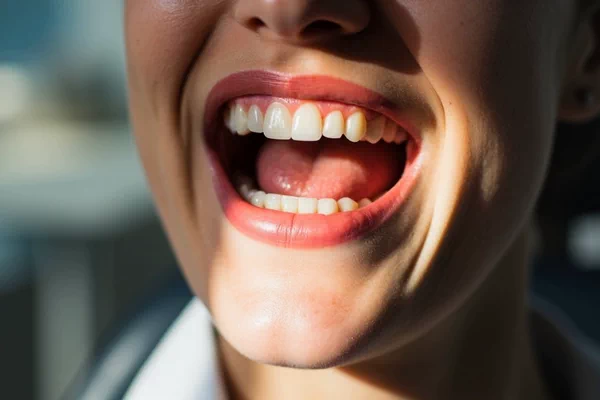
Dental cleansing is one of the most first harmonic yet necessity aspects of oral hygienics. It plays a indispensable role not only in maintaining a brilliantly and healthy grinning but also in preventing a host of dental and general health issues. This article provides an in-depth look at what dental consonant cleanup entails, its benefits, the different types, how often it should be done, and tips for maintaining oral health between visits. Fairfax Dentist VA.
What Is Dental Cleaning?
Dental cleaning, also known as prophylaxis, is a professional person subprogram performed by a dentist or dental hygienist to transfer brass, Tartar(calculus), and stains that roll up on the teeth over time. Even with habitue brush and flossing, it is indocile to transfer all deposits of memorial tablet, especially in hard-to-reach areas. If not removed, memorial tablet can temper into tartar, which can only be distant through professional cleansing.
Why Is Dental Cleaning Important?
1. Prevents Tooth Decay and Cavities
Plaque is a sticky film of bacterium that forms on teeth and produces acids that erode tooth enamel. Regular cleaning removes plaque and reduces the risk of tooth disintegrate.
2. Protects Against Gum Disease
Plaque and Tartar buildup along the gum line can lead to gingivitis(early-stage gum ) and, if untreated, get on to periodontal disease, a more serious that can leave in tooth loss.
3. Maintains Fresh Breath
Persistent bad hint, or halitosis, is often caused by bacteria in the utter. Cleaning removes odor-causing agents and leaves your verbalise tactual sensation freshly.
4. Enhances Your Smile
Cleanings remove rise up stains caused by food, drinks, and tobacco plant, consequent in whiter, brighter teeth.
5. Early Detection of Dental Issues
During a cleanup, dental consonant professionals also check for signs of oral issues such as cavities, gum disease, or oral cancer, sanctionative early interference.
6. Promotes Overall Health
Studies show a connection between oral wellness and general conditions such as spirit disease, diabetes, and metabolism infections. A clean speak supports overall well-being.
Types of Dental Cleanings
Not all alveolar cleanings are the same. The type you need depends on your oral wellness status.
1. Prophylaxis Cleaning
This is the monetary standard cleaning performed on sound individuals. It involves scaling to remove plaque and Tatar, polishing the dentition, and sometimes applying fluoride.
2. Scaling and Root Planing(Deep Cleaning)
This is a more intensifier cleansing used to treat gum . It involves cleanup below the gum line to remove bacteria, tartar, and memorial tablet from the roots of teeth.
3. Gross Debridement
Used for patients who seaport’t seen a dental practitioner in a long time and have heavily plaque and Tartar buildup. It helps train the utter for a more thorough cleanup later.
4. Periodontal Maintenance
After gum disease handling, this type of cleansing helps exert gum health and keep return. It may be requisite more oft than monetary standard cleanings.
What to Expect During a Dental Cleaning
A normal cleaning appointment includes the following steps:
Physical Exam A dental hygienist checks your mouth off with a moderate mirror for signs of gum rubor or other concerns.
Scaling Using a scaler, the hygienist removes brass and tartar from your dentition and below the gum line.
Polishing After grading, your teeth are polished using a mettlesome toothpaste and a high-powered brush to remove come up stains.
Flossing The hygienist flosses your teeth to remove any remnant detritus.
Fluoride Treatment(Optional) A fluoride gel or seal may be applied to help tone up your enamel and prevent cavities.
How Often Should You Get a Dental Cleaning?
For most individuals, dental consonant cleanings are suggested every six months. However, some populate, especially those with a history of gum , may need more buy at cleanings(every 3-4 months). Your dentist will rede the best agenda based on your individual needs.
Tips for Maintaining Oral Health Between Cleanings
Brush twice a day with fluoride toothpaste for at least two proceedings.
Floss daily to transfer food and memorial tablet between dentition.
Use mouthwash to help kill bacterium and refreshen hint.
Limit sweetened and acid foods and drinks that can gnaw enamel and cause cavities.
Avoid tobacco plant products, which can sully dentition and increase the risk of gum and oral cancer.
Stay hydrated to promote spittle production, which helps the verbalize.
Eat a equal diet rich in Ca and vitamins that support oral health.
Common Myths About Dental Cleaning
Myth 1: Cleanings weaken your dentition.Fact: Cleanings transfer unwholesome substances from dentition and tone up when fluoride is used.
Myth 2: If your dentition don’t hurt, you don t need a cleansing.Fact: Dental issues can be pain-free in early stages. Preventive cleanings problems before they become serious.
Myth 3: Home brush is enough.Fact: While essential, brush and flossing can’t transfer burned Tatar like a professional cleansing can.
Conclusion
Dental cleansing is a of preventative dentistry and is life-sustaining to maintaining both oral and overall health. Regular visits to your tooth doctor for professional person cleanings can help keep serious alveolar consonant issues, save money in the long run, and keep your smile healthy and magnetic. Combine these visits with good daily oral hygienics practices, and your dentition will thank you for a lifespan.